
ISIS Pharma's Neotone lightening range combines well-known lightening ingredients, such as niacinamide and licorice, with a less-studied one, diacetyl boldine, in different formats for the face, body and eye area. It may help mild, superficial pigmentation alongside daily sunscreen, but we found no openly published trials of the Neotone products themselves, so on their own they aren't enough for severe melasma or deep pigmentation.
The Arabic pages that rank for this search are pharmacy listings describing the products in marketing language, and their ingredient lists vary from page to page. This article separates what studies say about each ingredient from what remains a marketing claim, and helps you choose the right product or recognise when you need more.
How do lighteners work in the first place?
Skin makes pigment in a chain of steps driven by the enzyme tyrosinase, and the pigment then moves from pigment cells into the surrounding skin cells. The diagram from a 2019 review shows this pathway:
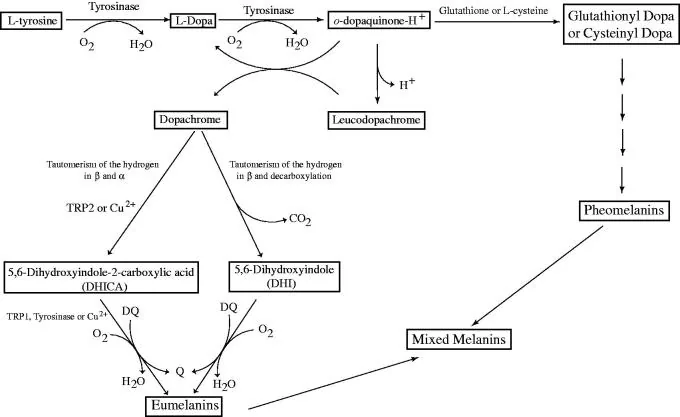
Lighteners act at different points along this pathway: some inhibit the enzyme, some reduce the transfer of pigment into skin cells, as niacinamide does, and some speed up skin turnover, as fruit acids do. That's why many products combine more than one ingredient, and also why combinations are hard to evaluate: when a product works, it's rarely clear which ingredient did the work.
Niacinamide: the best studied in the range
Niacinamide, a form of vitamin B3, reduces the transfer of pigment into skin cells and is tolerated by most people. In a 2025 randomised trial of sixty women with melasma, a serum containing niacinamide, tranexamic acid and other acids reduced pigmentation to a degree close to hydroquinone after three months, with less redness. But the study was funded by a different cosmetics company, and its serum isn't a Neotone product:
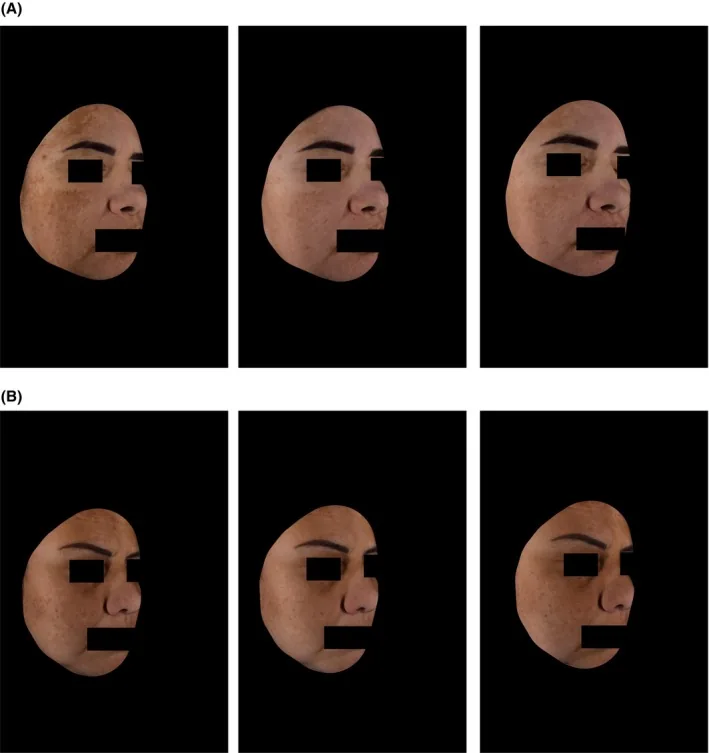
The broader evidence on niacinamide is reasonable for mild pigmentation, which makes it a sensible anchor ingredient in any lightening product. It's gentle enough to use with most other routines.
Diacetyl boldine: an ingredient with limited evidence
Diacetyl boldine is derived from the boldo plant and is marketed in lightening products as calming pigment cells. Most of what is openly published about it is laboratory work, some of it about delivering it through the skin to protect against melanoma rather than about lightening. We found no adequate open clinical trials measuring its effect alone on facial pigmentation, so it isn't a strong reason to choose one product over another.
Licorice and fruit acids
Licorice calms the skin and inhibits pigment production, with mostly laboratory evidence. Glycolic acid, listed on the body lotion's pages, speeds shedding of the outer layer to fade surface pigmentation, but it can irritate sensitive skin, so patch-test the body product before using it widely.
Sunscreen: the most important part of any lightening routine
The Neotone day product contains sunscreen according to pharmacy listings, which matters, because sun cancels out any lightener. In a 2026 study of twenty women with melasma and sun-induced pigmentation, pigmentation lessened with a sunscreen containing niacinamide and antioxidant ingredients, but the study had no comparison group and was funded by the manufacturer:
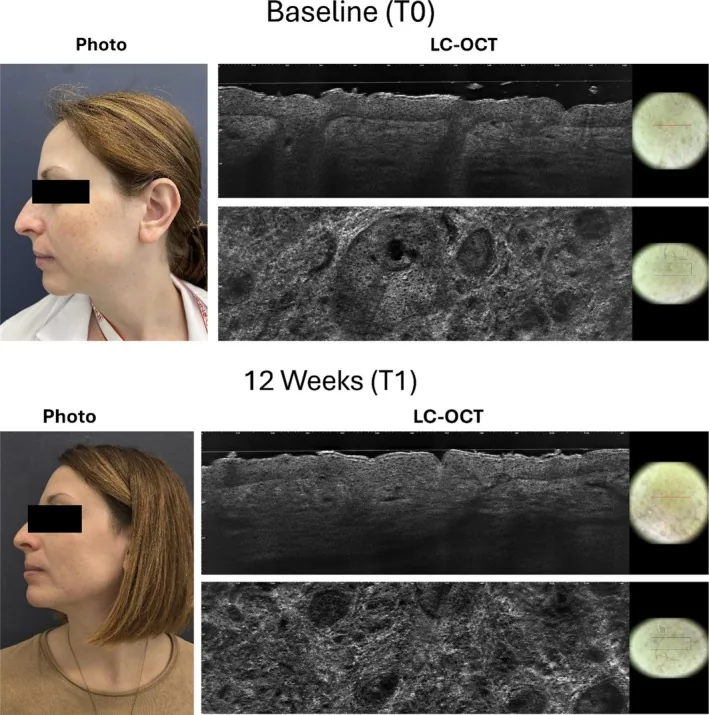
Sunscreen needs reapplying during the day, and one morning application of a day cream isn't enough for a full day in the sun.
Which Neotone product for which situation?
| Product (per pharmacy listings) | Area | Note |
|---|---|---|
| Intensive serum | Face | For visible pigmentation, with sunscreen |
| Sensitive-skin cream | Face | For skin that irritates easily |
| Day cream with sunscreen | Face | Doesn't replace reapplying sunscreen |
| Body lotion | Body | Contains acids that can irritate; patch-test first |
| Eye-contour cream | Under the eyes | Dark circles have causes lighteners don't always address |
For the different causes of dark circles, read how to get rid of dark circles.
Branded ranges versus single ingredients
Pharmacy brands often present a "system" of several products for the same problem: a serum, a day cream, a night cream and a body lotion. That can be convenient, but it isn't necessary. What matters for pigmentation is one well-tolerated lightening product used consistently, plus a broad-spectrum sunscreen used every day and reapplied. Layering three lightening products from the same range adds cost and irritation more often than it adds results. If you like the Neotone range, pick the single product that fits your skin and the area you're treating, and spend the rest of your attention on sun protection.
The eye area deserves particular caution. The skin there is thin, reacts easily, and dark circles are often caused by visible blood vessels, shadowing from hollows or inherited pigment rather than by the kind of pigmentation a lightener can reach. An eye cream may improve hydration and texture, but expecting it to erase dark circles sets it up to disappoint.
How to judge a product fairly
Patch-test the product on a small area for a few days, then use it on its own without other lighteners, so you know what is working and what is irritating. Take a photo in the same light each month, because slow improvement can't be seen in the mirror day by day. Don't judge it before several weeks of regular use with sunscreen. And if redness or burning appears, stop, because irritation itself creates new pigmentation in olive and brown skin.
flowchart TD
  A[Considering a Neotone product] --> B{Mild, superficial pigmentation?}
  B -->|Yes| C[The product for that area, with daily sunscreen]
  B -->|No| D{Obvious melasma or darkening in skin folds?}
  D -->|Yes| E[Assessment by a dermatologist before any cream]
  D -->|No| F[Identify the type of spot first]
  C --> G{No improvement after months?}
  G -->|Yes| E
mindmap
  root((ISIS Pharma Neotone))
    Studied ingredients
      Niacinamide
      Fruit acids
    Limited evidence
      Diacetyl boldine
      Licorice
    Foundation
      Sunscreen
      Patience
Frequently asked questions
Does ISIS Pharma Neotone work for pigmentation?
The Neotone range contains well-known lightening ingredients such as niacinamide and licorice, plus a less-studied one, diacetyl boldine. It may help mild, superficial pigmentation alongside sunscreen, but we found no openly published trials of the Neotone products themselves, and they aren't enough alone for severe melasma.
What's the difference between the Neotone products?
According to pharmacy listings, the range includes an intensive serum, a cream for sensitive skin, a day cream with sunscreen, a body lotion and an eye-contour cream. Each has a different formula, so choose by area and skin type, and read the ingredients on the pack.
What is diacetyl boldine?
A compound derived from the boldo plant, used in lightening products on the basis that it reduces pigment-cell activity. Most of what has been published about it is laboratory work, and we found no adequate open clinical trials measuring its effect alone on facial pigmentation.
Should I use Neotone with sunscreen?
Yes, always. Any lightener loses its effect if the skin isn't protected from the sun, and melasma needs a sunscreen that also blocks visible light. The Neotone product that contains sunscreen doesn't replace reapplying sunscreen during the day.
When to see a clinician
See a dermatologist if you don't know what type of pigmentation you have before choosing a product, if it hasn't improved after months of regular use with sunscreen, or if redness, itching and peeling appear after the product. See one promptly if a new spot changes in shape or colour or bleeds, as it needs examining before any lightening.
Related articles
- Alpha Plus lightening cream
- Melasma treatment for the face
- The fastest way to remove facial pigmentation
- Pakistani whitening creams
Further reading
- Mechanistic Basis and Clinical Evidence for the Applications of Nicotinamide (Niacinamide) to Control Skin Aging and Pigmentation — Antioxidants
- A comprehensive review on tyrosinase inhibitors — Journal of Enzyme Inhibition and Medicinal Chemistry
- How to fade dark spots in darker skin tones — American Academy of Dermatology
Medical disclaimer: This article is for health education only and is not a substitute for professional medical advice. If you have a skin condition that concerns you, please consult a dermatologist.