

Whitening creams sold as "Pakistani cream" without a clear ingredient list or licence may contain a potent steroid, mercury or undeclared hydroquinone, which is why they can give startlingly fast lightening at first. The problem isn't the country of manufacture; it's that the content of the jar is unknown. Lightening within days is a warning sign, not a mark of quality, because safe ingredients work slowly.
The Arabic pages that rank for this search either sell these creams or list the harms of lightening creams in general, without explaining what causes each harm or how to tell whether the cream you're using is one of them. This article sets out what the studies have found, and what to do if you've already used one.
Why does an unknown cream lighten so fast?
Safe lightening ingredients such as azelaic acid and niacinamide work over weeks to months. Fast lightening within days usually comes from one of three sources:
- A potent steroid: narrows blood vessels and suppresses pigment temporarily, so skin looks paler and smoother, then thins it and causes spots and redness.
- Mercury: suppresses pigment production, but is absorbed through the skin and harms the kidneys and nerves.
- Hydroquinone at an undeclared strength: effective, but without supervision it can irritate and cause permanent grey discolouration.
| Hidden ingredient | Why it's added | What it can cause |
|---|---|---|
| Potent steroid | Fast lightening and smoothing | Spots, redness, thinned skin, pale patches, visible vessels |
| Mercury | Suppresses pigment | Tingling, tremor and mood changes; kidney damage |
| Undeclared hydroquinone | Lightening | Irritation, and blue-grey discolouration with long use |
The US Food and Drug Administration has warned consumers to stop using over-the-counter lightening products containing mercury or hydroquinone, after its testing found high mercury levels in some and it received reports of rashes, facial swelling and ochronosis.
Steroids: the cause of most of what clinics see
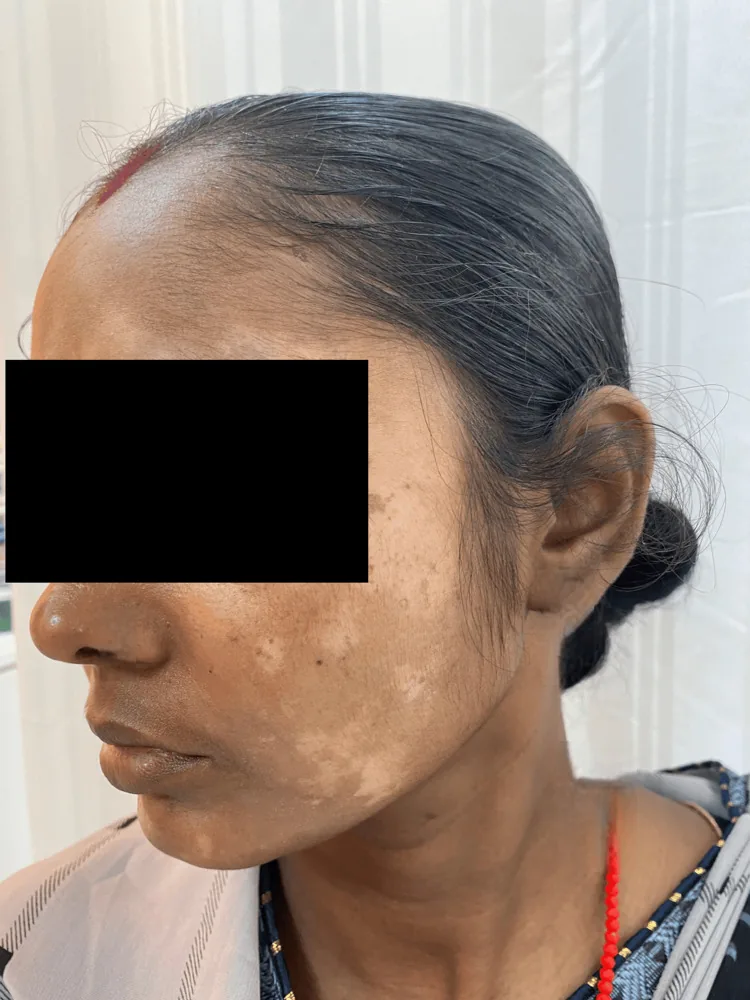
In a study from Karachi of 226 people attending a dermatology clinic after using steroid creams or fairness creams on the face, steroid-induced acne was the commonest effect, followed by facial redness and visible blood vessels. In a 2026 study from northern India of patients with "topical steroid-damaged face", most use was without a prescription, and pale patches were the most common effect:
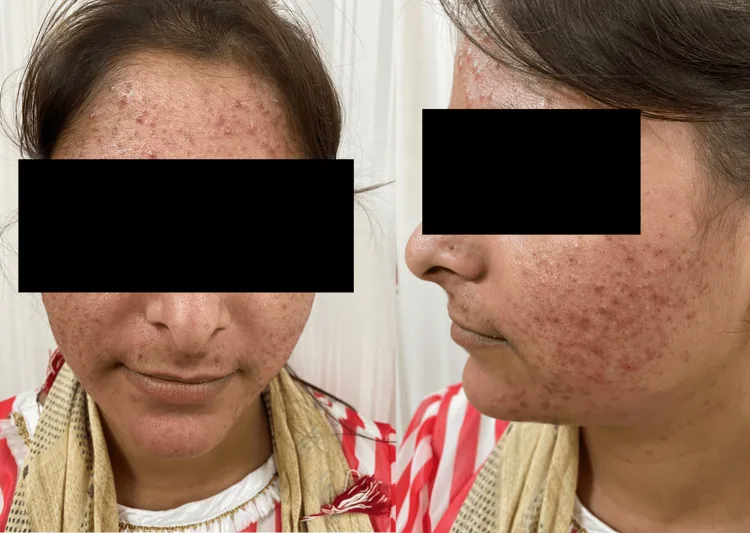
Steroid acne looks different from ordinary acne: lots of small, uniform spots across the forehead and cheeks, with redness, appearing weeks after starting the cream:
Both studies also describe the same trap: the cream is often recommended by a friend, a beautician or a shop assistant, it works quickly, and when it's stopped the skin flares, so people go back to it. That cycle is what turns a cosmetic purchase into months of skin damage.
Mercury: the risk you can't see
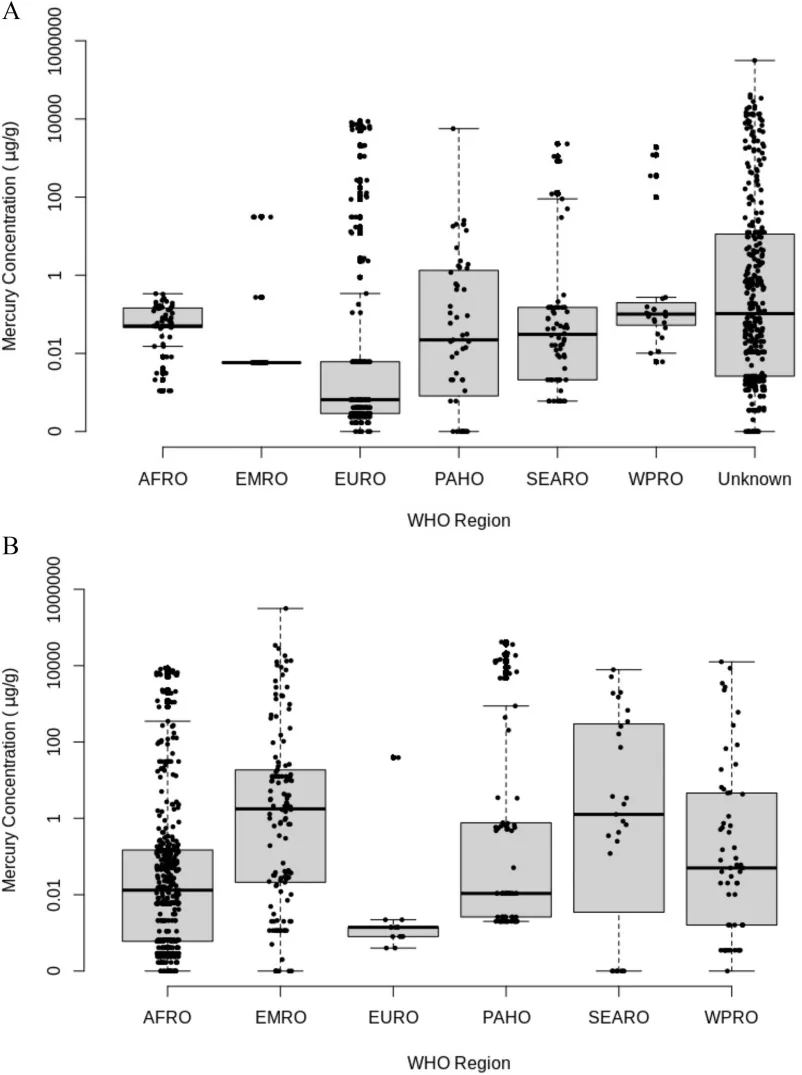
The Minamata Convention prohibits the manufacture, import or export of lightening creams containing mercury above one part per million. But a 2022 systematic review pooled measurements from hundreds of products across twenty-two countries and found mercury widespread in lightening products worldwide, some at concentrations thousands of times above that limit:
Mercury can't be seen or smelled, and it can't be detected at home. With long use it can cause tingling and numbness, tremor, mood changes and poor sleep, and kidney damage. In two cases published in 2024, a couple developed mercury poisoning from lightening creams, and one of them had kidney involvement. Another study documented mercury contamination of users' homes from such creams, which matters for children in the household.
Undeclared hydroquinone
Hydroquinone is an established melasma treatment when a dermatologist prescribes it for a limited period. In an unknown cream you don't know its strength or how long you've been using it, and long use can cause permanent blue-grey discolouration. Details are in melasma treatment for the face.
How to spot a suspicious cream
flowchart TD
  A[A lightening cream] --> B{Ingredient list, company name and address?}
  B -->|No| C[Suspicious - don't use it]
  B -->|Yes| D{Promises lightening within days?}
  D -->|Yes| C
  D -->|No| E{Small spots, redness or visible vessels appeared?}
  E -->|Yes| F[Stop and see a dermatologist]
  E -->|No| G[Monitor and ask a pharmacist about the ingredients]
If you've already used one
Stop the cream and keep the jar to show your dermatologist. If it contains a potent steroid, redness, spots and burning may flare for days after stopping; that's expected and isn't a reason to go back to it. Don't swap it for another unknown cream, and ask your dermatologist for a plan to stop and treat the after-effects. If you have symptoms that suggest mercury, they will arrange a blood or urine test.
Take particular care if you're pregnant or breastfeeding, or if young children share your home. Mercury crosses the placenta and can pass into breast milk, and small children can be exposed by touching treated skin, towels and pillowcases. If any of that applies and you've used an unlabelled cream, mention it to your doctor even if you feel well.
What to use instead
First understand why your skin has darkened, because darkening and patches have different causes; read face darker than body. Then the safe alternative: daily sunscreen, studied ingredients such as azelaic acid and niacinamide, and prescription treatment for patches where needed. These are slower, but the skin you end up with is healthier than when you started, which is never true of the alternative.
mindmap
  root((Unknown lightening cream))
    May contain
      Potent steroid
      Mercury
      Undeclared hydroquinone
    Warning signs
      No label
      Lightening in days
    Alternatives
      Sunscreen
      Studied ingredients
      Diagnose the cause
Frequently asked questions
Are Pakistani whitening creams safe?
The problem isn't the country of manufacture but creams of unknown content sold in shops and online without a clear label or licence. Many studies have found mercury, undeclared hydroquinone or potent steroids in unlicensed lightening creams, and all of them can harm the skin and the body.
How can I tell if a whitening cream contains mercury or a steroid?
You can't be sure at home. Warning signs are a missing ingredient list, no company name and address, a promise of lightening within days, or sale in unlicensed jars. Lots of small spots, redness or visible blood vessels after using it suggest a steroid.
What should I do if I get spots after a whitening cream?
Stop the cream and see a dermatologist, taking the jar with you. If it contains a potent steroid, redness and spots may flare for days after stopping, so stopping needs a plan from your dermatologist rather than trying other creams.
Will my skin colour return after stopping a whitening cream?
Your natural colour usually returns gradually after stopping, because the cream was suppressing pigment temporarily. Some effects such as pale or dark patches or thinned skin may remain, and these need assessment and treatment by a dermatologist.
When to see a clinician
See a dermatologist if spots, redness, visible vessels, or pale or dark patches appear after a lightening cream, or if you've used an unknown cream and want to stop safely. Seek prompt medical care if, after using a lightening cream, you develop tingling or numbness in your hands or feet, tremor, marked mood changes, swelling of the legs and face, or foamy urine, as these can be signs of mercury poisoning.
Related articles
- Melasma treatment for the face
- Face darker than body
- What causes brown spots on the face
- Skinoren (azelaic acid): for acne, marks and melasma
Further reading
- FDA Warns Consumers of Skin Products Containing Mercury and/or Hydroquinone — FDA
- A Systematic Review of Mercury Exposures from Skin-Lightening Products — Environmental Health Perspectives
- Obsession to fairness and topical steroid induced acne — Pakistan Journal of Medical Sciences
Medical disclaimer: This article is for health education only and is not a substitute for professional medical advice. If you have a skin condition that concerns you, please consult a dermatologist.