
A Kiehl's eye cream alternative is any cream whose ingredients do the job you want: plant oils, shea butter and ceramides for dry skin, or retinol derivatives, niacinamide and peptides for fine lines. Kiehl's avocado eye cream is a good moisturiser, but it contains nothing you can't find for less. And no cream, expensive or cheap, fixes dark circles caused by bone structure or puffiness caused by fat.
The pages that rank for this search are shop listings for Kiehl's own creams. They don't compare ingredients or explain what an eye cream can and can't do. This article explains how to choose an alternative by ingredient.
What's in Kiehl's avocado eye cream?
Sephora's page lists avocado oil, shea butter and beta-carotene, and says the cream targets fine lines caused by dryness. These are moisturising, softening ingredients. Plant oils have several potential benefits on the skin, summarised in a 2017 review:
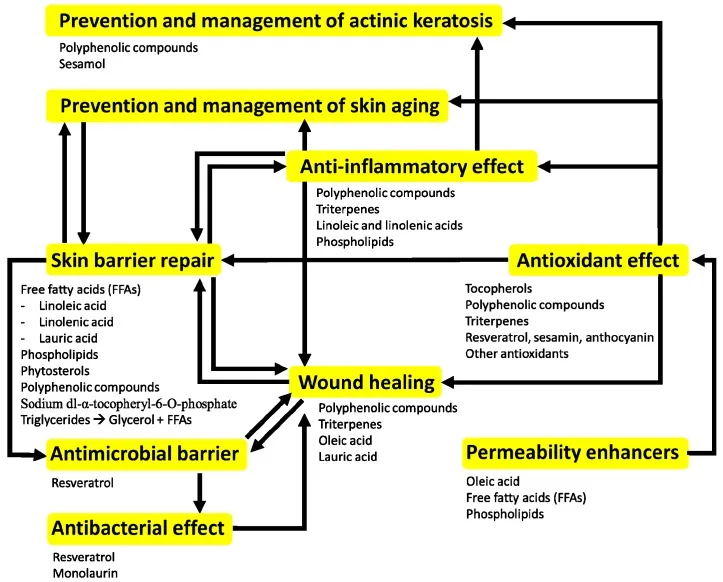
In other words, this cream's strength is moisturising and supporting the skin barrier, a job many creams with plant oils, shea butter or ceramides can do. Deep lines and dark circles need something else.
Kiehl's also sells a more expensive anti-ageing eye cream with a berry seed extract and a collagen peptide. Peptides are among the ingredients studied for fine lines, but if that's what you're after, a peptide or retinoid product from another brand does the same job.
How to choose an alternative by ingredient
Start with what's bothering you, then look for the right ingredient on the list rather than the brand name:
| What bothers you | Ingredients to look for | What to expect |
|---|---|---|
| Dryness and flaking around the eyes | Plant oils, shea butter, ceramides, glycerin | Softer, moisturised skin within days |
| Fine lines | Retinol derivatives, niacinamide, peptides | Gradual improvement over weeks |
| Sensitivity and redness | A fragrance-free formula, panthenol | More comfort, less irritation |
| Dark circles and puffiness | No topical ingredient changes bone structure or fat | An assessment of the cause in clinic |
When you compare labels, remember that ingredients are listed roughly in order of amount. An active ingredient that appears near the end, after the fragrance and preservatives, is probably present in a small quantity. Fragrance-free matters more around the eyes than anywhere else on the face, because the skin is thin and anything that drifts into the eye stings. A tube or pump also keeps a cream cleaner than a jar you dip your finger into every day.
This chart sums up how to choose:
flowchart TD
  A[Looking for an alternative to Kiehl's eye cream] --> B{What bothers me?}
  B -->|Dryness| C[Fragrance-free cream with oils or ceramides]
  B -->|Fine lines| D[Retinol derivative, niacinamide or peptides]
  B -->|Dark circles or puffiness| E[Find the cause, not a pricier cream]
An alternative for fine lines: what has evidence?
The avocado cream doesn't contain an ingredient studied for wrinkles. If lines are your main concern, the evidence is stronger for retinoids and their derivatives. In a 2010 randomised trial of women with wrinkles around the eyes, the appearance of wrinkles improved both with a cosmetic regimen containing a retinol derivative, niacinamide and peptides, and with a prescription retinoid regimen:
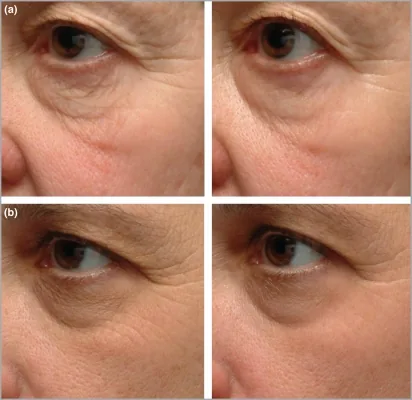
The study was funded by the maker of the cosmetic regimen, but it shows that the ingredient makes the difference, not the label. Retinoids can irritate the thin skin around the eyes, so they're introduced gradually and avoided in pregnancy. Other ingredients, such as frankincense, are covered in frankincense for eye wrinkles.
Fine lines that appear when you smile, crow's feet, come mainly from muscle movement. Creams can soften their surface, but they won't stop the movement that creates them, which is why exercises don't help either, as explained in eye wrinkle exercises.
What no eye cream can fix
Many women buy an expensive eye cream for dark circles or puffiness. But dark circles can be a shadow caused by bone structure and volume loss under the eye, and no cream changes that, as an assessment framework from a 2024 paper shows:
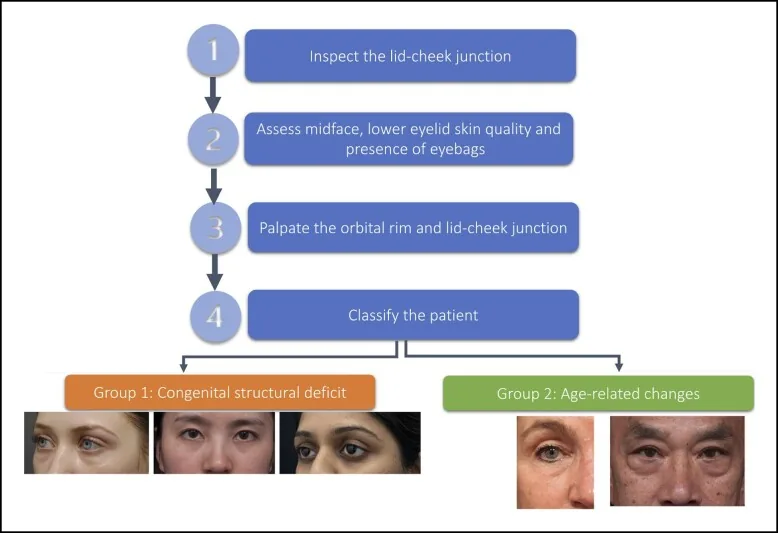
If the shadow stays however well you moisturise, the cause is usually structural and needs an assessment in clinic. Pigmented dark circles have different treatments, covered in how to treat dark circles, and puffiness in how to get rid of bags under the eyes.
Do you need an eye cream at all?
Not always. The skin around the eyes is thinner and more sensitive, which is why eye creams are usually made with a gentler texture, without fragrance, or with lower levels of irritating ingredients. But a fragrance-free face moisturiser does the same job for many people, as long as it doesn't sting or make your eyes water. What this area really needs is sunscreen and sunglasses, because sun is one of the biggest causes of early lines around the eyes, and no cream makes up for that, whatever its price.
How to use an eye cream
Use a rice-grain amount for each eye, and pat it with your ring finger along the bone under the eye rather than on the moving lid, because the cream spreads towards the eye on its own. Don't rub the thin skin. If a cream causes burning, watering or redness, the fragrance or active ingredient may be too close to the eye. In clinic we often see women who have tried several expensive eye creams for dark circles, when the cause was a structural shadow that no cream could change.
mindmap
  root((Kiehl's eye cream alternative))
    For dryness
      Plant oils
      Shea butter
      Ceramides
    For lines
      Retinol derivatives
      Niacinamide
      Peptides
    No cream fixes
      Bone shadows
      Fat puffiness
Frequently asked questions
What's the best alternative to Kiehl's eye cream?
The best alternative is a cream whose ingredients do the job you want. For dryness, a fragrance-free cream with plant oils, shea butter or ceramides. For fine lines, ingredients with evidence such as retinol derivatives, niacinamide and peptides. Brand and price don't decide the benefit.
What's in Kiehl's avocado eye cream?
Sephora's page lists avocado oil, shea butter and beta-carotene. These are moisturising, softening ingredients, so it suits dry skin around the eyes better than it treats wrinkles or dark circles.
Do I need a separate eye cream, or is my face moisturiser enough?
A fragrance-free face moisturiser is often enough if it doesn't sting your eyes. Eye creams are usually made with a gentler texture and fewer irritants, which helps sensitive skin, but they aren't essential for everyone.
Can an eye cream remove dark circles and puffiness?
Usually not. Many dark circles are shadows caused by bone structure and volume loss under the eye, and puffiness may be fat that has moved forward, and no cream changes these. A cream may ease dryness and improve the skin's look slightly.
When to see a clinician
See a dermatologist if you get redness, itching or swelling around the eyes after any cream, if puffiness is on one side only, sudden or painful, or if the skin colour around your eyes changes suddenly. See one too if dark circles or puffiness bother you despite good care, so the cause is identified before you spend money on creams.
Related articles
- How to treat dark circles
- How to get rid of bags under the eyes
- Eye masks for dark circles
- Frankincense for eye wrinkles
- Eye wrinkle exercises
Further reading
- Kiehl's avocado eye cream — Sephora
- Kiehl's Super Multi-Corrective eye cream — Sephora
- Avocado Eye Cream — Sephora
Medical disclaimer: This article is for health education only and is not a substitute for professional medical advice. If you have a skin condition that concerns you, please consult a dermatologist.