Nip+Fab's acne products, best known as the Teen Skin Fix pads, rely mainly on salicylic acid, a well-studied ingredient that dissolves in oil and unblocks pores. They usually help blackheads, whiteheads, oily skin and mild spots, but they aren't enough for widespread or deep inflamed acne. The salicylic acid concentration isn't stated on the pack, and we found no published trial of the product itself, so what we know comes from the evidence on the ingredient.
There are almost no Arabic pages explaining these products, and the reviews available are commercial. This article explains what's in them, who they suit, and how to use them without irritation. We have no connection with the manufacturer.
What's in Nip+Fab pads?
According to the ingredient lists published by retailers, the Teen Skin Fix day and night pads contain salicylic acid with lotus flower extract; the day pads add aloe, hyaluronate and panthenol, and the night pads add chia seed extract and a Lactobacillus ferment. Some marketing mentions wasabi, but we didn't find it in the published ingredient lists. Formulations change, so the packaging itself is the most reliable reference. The range is also sold under slightly different names in different shops, which can make comparing products confusing.
| Ingredient | Expected role | Note |
|---|---|---|
| Salicylic acid | Unblocks pores and reduces oil | The main active ingredient |
| Lotus extract | Soothing | Limited evidence |
| Aloe and panthenol | Hydrating and soothing | Ease dryness |
| Hyaluronate | Hydrating | Doesn't treat spots |
| Lactobacillus ferment | Hydrating and soothing | Limited evidence in acne |
What does salicylic acid do?
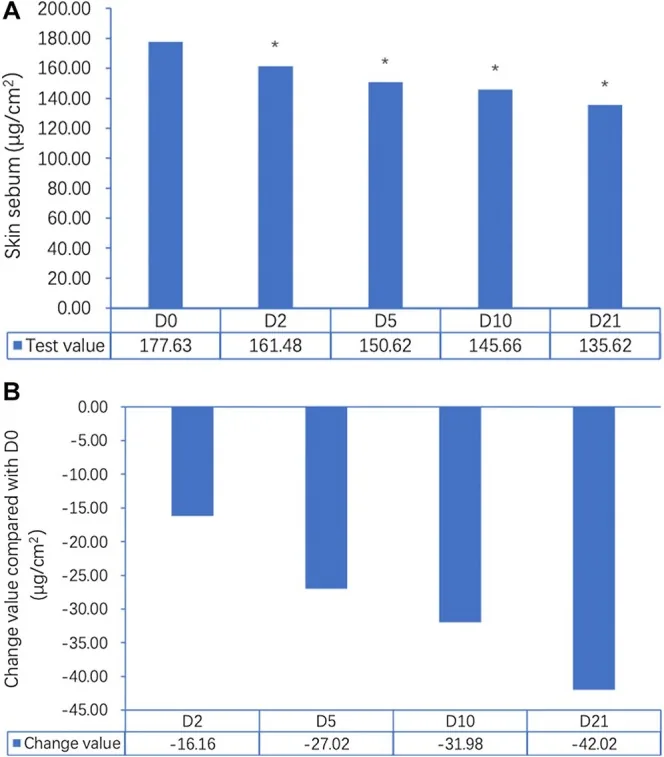
Salicylic acid dissolves in oil, so it gets into pores and loosens the dead cells built up inside them, and it reduces oil on the surface. In a 2025 study of forty-two people with mild to moderate acne, forehead oil fell steadily over three weeks of a gel containing salicylic acid:
In another study, published in 2026, of forty-two volunteers, the number of blackheads, whiteheads, red bumps and pustules fell over four weeks of a cleanser containing salicylic acid:
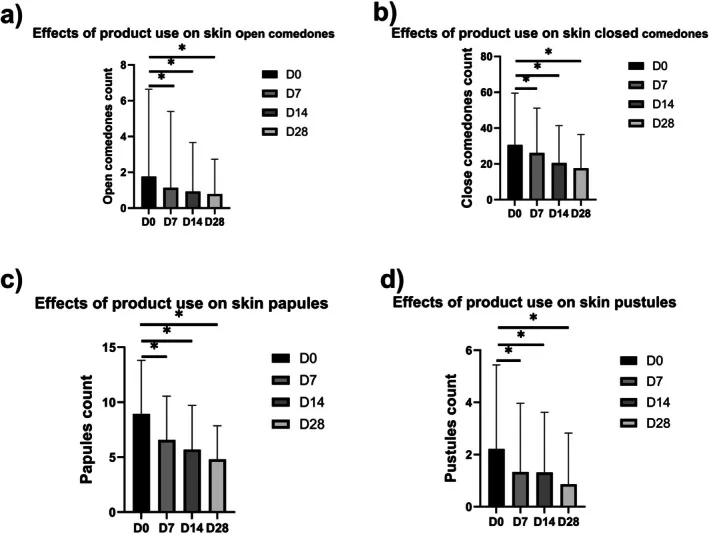
Neither study had a comparison group, and both products differ from Nip+Fab, so they show the effect of the ingredient rather than of the pads specifically. More on this ingredient in Stridex pads. Pads are a convenient way to apply it because they leave a thin layer on the skin, unlike a wash that's rinsed off after seconds.
Don't overdo the products
It's tempting to buy a whole range of pads, washes, scrubs and serums. In a 2026 study of twenty volunteers who used eight acne products together for thirty days, oiliness fell slightly, but five developed mild to moderate flaking and dryness from the scrub, toner, wipes and wash:
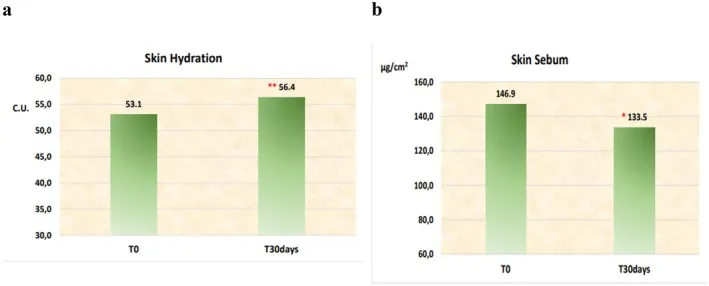
The study was small and run by a testing organisation on behalf of the manufacturer, but the message is clear: one effective product plus a moisturiser is usually enough, and more products mean more irritation.
Other Nip+Fab ranges
The brand sells other ranges with similar names, such as glycolic and retinol lines. These are aimed mostly at skin texture and signs of ageing rather than acne, and they can add to irritation if combined with salicylic pads. Glycolic acid is an exfoliant that works on the surface, and retinol is related to retinoids and needs a gradual start. If your goal is spots, the salicylic range is the closest fit, and one product from it is enough to begin with. Always read the label, because marketing names don't tell you the active ingredient or its strength. If you have a known allergy to aspirin or salicylates, ask a pharmacist before using any product containing salicylic acid.
Salicylic acid in teenage skin
Teenage acne usually starts with blackheads and whiteheads on the forehead, nose and chin, as rising hormones make the oil glands more active. That early, mostly non-inflamed stage is exactly where a salicylic acid product fits best, and starting a simple routine then can stop it progressing. What a teenager needs most is consistency rather than strength: a gentle cleanser, one pore-clearing product, a moisturiser and sunscreen. Strong products used enthusiastically for a week and then abandoned do more harm than good. Parents can help by watching for the signs that over-the-counter products aren't enough: red, painful spots, spots on the chest and back, dark marks that linger, or any scarring. At that point a dermatologist can offer treatments that work faster and prevent permanent marks, and early treatment matters because scars are much harder to fix than spots.
Who do they suit?
| Situation | Suitable? |
|---|---|
| Blackheads, whiteheads and oily skin | Usually yes |
| Occasional mild spots | Sometimes |
| Many red, inflamed spots | Not enough alone |
| Deep, painful spots | No |
| Dry skin or eczema | With great care |
flowchart TD
  A[Considering Nip+Fab pads] --> B{Blackheads, whiteheads and oily skin?}
  B -->|Yes| C[Start a few times a week with a moisturiser]
  B -->|No| D{Many or deep red spots?}
  D -->|Yes| E[See a dermatologist]
  D -->|No| F[A gentle cleanser and moisturiser are often enough]
  C --> G{Dryness or stinging?}
  G -->|Yes| H[Use them less often]
How to use them
Sweep one pad over clean, dry skin, avoiding the eyes, lips and the corners of the nose, don't rinse, then apply a light moisturiser, and sunscreen in the morning. Start with a few times a week and increase as your skin tolerates. Don't combine them with a scrub, retinoid or benzoyl peroxide on the same night without asking your dermatologist. Give them several weeks before judging; blocked pores take time to clear, and changing products every few days makes it impossible to tell what's working.
mindmap
  root((Nip+Fab pads))
    Active ingredient
      Salicylic acid
    Suit
      Blackheads and whiteheads
      Oily skin
    Not enough for
      Many inflamed spots
      Deep spots
    Watch for
      Dryness
      Combining with exfoliants
Frequently asked questions
Is Nip+Fab good for acne?
Nip+Fab's acne products, such as the Teen Skin Fix pads, rely on salicylic acid, a well-studied ingredient that unblocks pores and reduces oil. They may help blackheads, whiteheads and mild spots, but the concentration isn't stated on the pack, and we found no published trial of the product itself.
How do you use Nip+Fab pads?
Sweep a pad over clean, dry skin, avoiding the eyes and lips, don't rinse, then apply a light moisturiser, and sunscreen in the morning. Start with a few times a week, especially if your skin is sensitive, and increase gradually as it tolerates them.
Are Nip+Fab pads suitable for teenagers?
The Teen Skin Fix range is aimed at teenagers, and salicylic acid generally suits oily skin at that age. But numerous or deep red spots in teenagers need a dermatologist's assessment, because delaying treatment can leave scars.
Can I use Nip+Fab with other acne products?
Combining several drying products, such as pads, an exfoliating wash, benzoyl peroxide and a retinoid, increases dryness and irritation. Choose one effective product first, and ask your dermatologist before combining.
When to see a clinician
See a dermatologist if spots are red and numerous or deep and painful, if they leave dark marks or scars, if they haven't improved after several weeks of a suitable routine, or if redness, burning and heavy peeling follow use of the pads. Pads help with prevention and mild acne, but they don't treat moderate or severe acne on their own.
Related articles
Further reading
- Clinical Efficacy of a Salicylic Acid-Containing Gel on Acne Management and Skin Barrier Function — Journal of Cosmetic Dermatology
- Improvement of Overall Skin Condition in Acne and Oily Prone Skin With an Amino Acid Cleanser Containing Salicylic Acid — Journal of Cosmetic Dermatology
- Acne: Diagnosis and treatment — American Academy of Dermatology
Medical disclaimer: This article is for health education only and is not a substitute for professional medical advice. If you have a skin condition that concerns you, please consult a dermatologist.