Diadermine's anti-wrinkle creams don't remove deep wrinkles, but some of their ingredients, such as retinol and hyaluronic acid, have evidence for improving fine lines and hydration. The plant-based alternatives the brand promotes, such as Phyto-Retinol and Botology, rest mostly on laboratory evidence, and we found no independent published trial of Diadermine products themselves.
Diadermine is a skincare brand owned by the German company Henkel, sold widely in pharmacies and supermarkets. The Arabic pages for this search are few, and most are shop listings that repeat the claims on the box. This article separates the ingredients with evidence from the marketing claims, using published research.
What's in the Diadermine Lift+ range?
According to the brand's own descriptions, the Lift+ range is split into several lines, each built around a key ingredient:
| Line | Key ingredient, per the brand | Strength of evidence for the ingredient |
|---|---|---|
| Super Filler | Hyaluronic acid | Good for hydration and temporarily plumping dryness lines |
| Naturetinol | Retinol | The strongest in the range |
| Phyto-Retinol | Samphire oil and an algae extract | Mostly laboratory |
| Botology | Paracress extract | Laboratory; no evidence it replaces injections |
| Nutri-Lifting night cream | Fruit acids, hyaluronic acid and urea | Good for gentle exfoliation and hydration |
This table rates ingredients, not products. Concentration, formulation and packaging change the result, and we don't know the concentration of each ingredient in each pot.
Hyaluronic acid in the Super Filler line draws water into the surface layer of the skin, so dryness lines look softer shortly after applying it. It's a temporary hydration effect that fades if you stop, and it isn't comparable to injected filler in a clinic, despite the similar name.
Retinol: the ingredient with the strongest evidence
Retinol is a form of vitamin A that the skin converts into the active form that acts on cells. A 2023 review summarises its effects in aged skin:
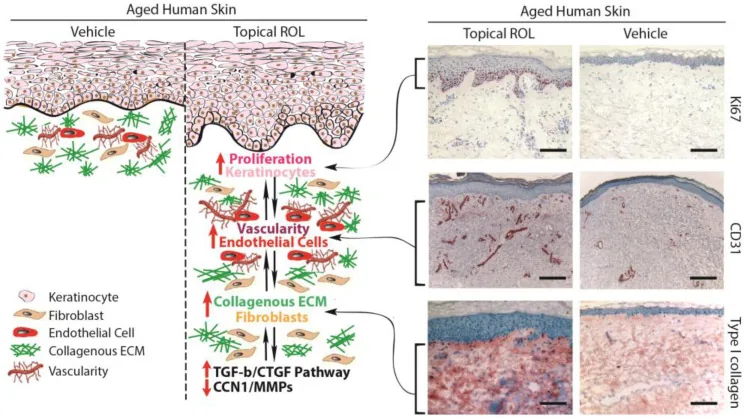
These findings apply to retinol in general, not to a Diadermine cream specifically. Retinol causes redness and peeling at first in some people, so start with a small amount at night a few times a week, and use sunscreen in the morning. Don't use it during pregnancy without asking your doctor. More in how retinol works.
Phyto-Retinol: what is samphire?
Phyto-Retinol is a trade name for a plant blend based on samphire oil. Samphire, also called sea fennel, is a coastal plant that grows on rocks near the sea:
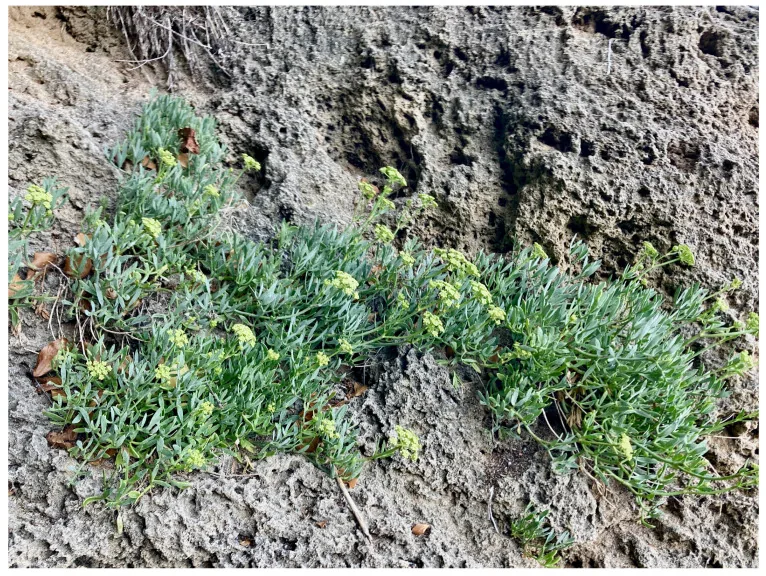
A 2025 review describes the plant as rich in antioxidants, but most research on it has been done in the laboratory. Diadermine's comparison of Phyto-Retinol with retinoids was carried out by the company itself in the lab, not on women's faces in a published trial. So it may be a gentle option if you can't tolerate retinol, but it isn't a proven substitute for it.
Botology: is a cream an alternative to Botox?
The Botology line is built on paracress extract, and the brand markets it as an alternative to injections. The plant contains compounds called alkylamides, the best known being spilanthol, as a 2026 review shows:
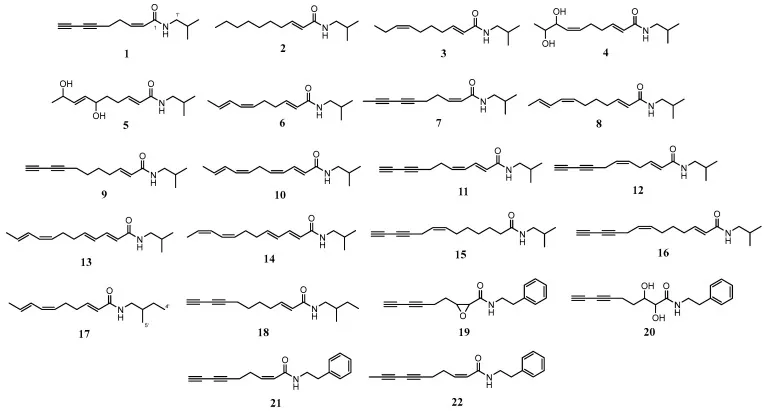
Laboratory research suggests some of these compounds may relax muscle, but no published trial shows that a cream matches injections. Botulinum toxin injections reach the muscle directly, while most of a cream stays in the surface layers of the skin. You may notice a tightening or slight tingling sensation, a known sensation from paracress compounds; it doesn't mean wrinkles are being treated.
flowchart TD
  A[Considering Diadermine for wrinkles] --> B{Does your skin tolerate retinol?}
  B -->|Yes| C[The product with retinol]
  B -->|No| D{Is your skin dry?}
  D -->|Yes| E[A hyaluronic acid product for hydration]
  D -->|No| F[Phyto-Retinol as a gentle option without strong evidence]
  C --> G[Sunscreen every morning]
  E --> G
  F --> G
How to use Diadermine creams safely
Patch-test a new product on a small area behind your ear or along your jaw for several days first. Don't combine the retinol product with fruit acids on the same night at the start, because the combination increases irritation. Apply moisturiser to clean, dry skin, then sunscreen in the morning, whatever the cream. Note that many of the brand's products are fragranced, and fragrance is one of the commonest causes of allergic reactions in sensitive skin. If redness, itching or persistent burning appears, stop the product.
If you already use a prescription retinoid from your dermatologist, don't add an over-the-counter retinol cream on top without checking, because doubling up rarely adds benefit and often adds irritation. The same goes for the period around in-clinic procedures such as peels or laser, when your dermatologist may ask you to pause active ingredients for a while.
What to compare when you buy
Look at where the active ingredient sits in the ingredients list: the earlier it appears, the higher its concentration usually is. Prefer a pump or tube over an open jar for retinol products, because retinol is affected by light and air. Don't pay more for the words "Botox" or "filler" on a box; they're marketing names, not descriptions of a treatment. Other products are compared in anti-wrinkle serum and Bioderma for wrinkles.
It also helps to judge any anti-wrinkle cream by what it can realistically do. A well-formulated moisturiser makes skin feel smoother and fine dryness lines look softer within days. A retinol product can improve texture and fine lines gradually with consistent use. Neither will lift sagging skin or erase deep folds, whatever the box says; that's the territory of in-clinic procedures, which a dermatologist can discuss with you.
Why there's so little independent evidence
Cosmetic creams are regulated differently from medicines. A brand doesn't have to publish a clinical trial before selling an anti-wrinkle cream, and the tests it runs, often on small groups using self-assessment questionnaires, are usually described only in press material. That doesn't mean the products don't work, but it does mean claims such as "visibly reduces wrinkles" are hard to check. When you read a percentage on a box, look for the small print: how many people, for how long, and whether it was measured by an instrument or by asking the users how their skin felt.
mindmap
  root((Diadermine for wrinkles))
    Good evidence
      Retinol
      Hyaluronic acid
    Laboratory evidence
      Samphire
      Paracress
    Remember
      Sunscreen
      Patch test
Frequently asked questions
Does Diadermine cream get rid of wrinkles?
It doesn't remove deep wrinkles, but some of its ingredients, such as retinol and hyaluronic acid, have evidence for improving fine lines and hydration. We found no independent published trial of Diadermine products themselves, so the evidence is at the ingredient level, not the product level.
Is Phyto-Retinol the same as retinol?
No. Diadermine's Phyto-Retinol is a plant blend of samphire oil and an algae extract that the company presents as a gentle alternative, and its comparison with retinoids was a laboratory test run by the company itself. Retinol has broader clinical evidence in ageing skin.
Is Diadermine Botology an alternative to Botox?
There's no evidence that it is. Its key ingredient is paracress extract, and laboratory research suggests some of its compounds may relax muscle, but no published trial shows that a cream matches botulinum toxin injections for expression lines.
Which Diadermine cream is right for me?
If your skin is dry, the hyaluronic acid products suit hydration best; if you tolerate retinol, the product that contains it is closest to the evidence. Either way, daily sunscreen remains the most important step, and ask your dermatologist if your skin is sensitive.
When to see a clinician
See a dermatologist if a cream causes redness, itching or swelling that doesn't settle after stopping it, if you're pregnant or breastfeeding and considering a retinol product, if a new spot on your face changes, or if you want a plan for deep wrinkles that goes beyond creams.
Related articles
Further reading
- Human Skin Aging and the Anti-Aging Properties of Retinol — Biomolecules
- Crithmum maritimum L.: Phytochemical Profile, Biological Activities, and Therapeutic Potential — Molecules
- 10 skin care secrets for healthier-looking skin — American Academy of Dermatology
Medical disclaimer: This article is for health education only and is not a substitute for professional medical advice. If you have a skin condition that concerns you, please consult a dermatologist.